A well-lit wine cellar does more than illuminate bottles, it protects the integrity of the wine, showcases the collection, and transforms a storage space into a visual showpiece. Poor lighting choices can generate excess heat, fade labels, or create harsh glare that detracts from the experience. The right wine cellar lighting balances functionality with aesthetics, using fixtures that won’t compromise temperature stability while highlighting prized vintages. Whether building a new cellar or upgrading an existing space, understanding the interplay between light output, heat generation, and visual impact ensures both the wine and the space age gracefully.
Table of Contents
ToggleKey Takeaways
- LED lighting is the gold standard for wine cellar lighting because it produces minimal heat and virtually no UV radiation, protecting wine from light-induced degradation while running efficiently for tens of thousands of hours.
- Choose warm white LED color temperatures between 2700K and 3000K to create a cozy ambiance that complements wooden racking and doesn’t distort label colors.
- Proper wine cellar lighting balances multiple layers—accent lights to showcase premium bottles, track systems for flexible coverage, and under-rack LEDs for ambient glow—while keeping fixtures on separate dimmers for independent control.
- Avoid pointing accent lights directly at cork closures for extended periods, and instead aim beams at bottle bodies or labels to prevent cork drying over time.
- All electrical work in wine cellars must comply with the National Electrical Code (NEC), and a licensed electrician should install new wiring through insulated walls or add dimmers to ensure safe, code-compliant installations.
- Mount LED transformers outside the cellar in a ventilated area to prevent heat buildup, and keep wine cellar lighting fixtures on independent circuits to maximize flexibility for different occasions and protect your collection.
Why Wine Cellar Lighting Matters
Wine is sensitive to both heat and light, particularly ultraviolet (UV) rays that accelerate oxidation and break down tannins. Traditional incandescent bulbs emit significant heat and UV radiation, making them unsuitable for climate-controlled cellars where temperature stability is critical. Even a few degrees of fluctuation can affect aging and flavor profiles.
Lighting also serves practical purposes. Collectors need adequate visibility to read labels, select bottles, and navigate racks safely. Poorly lit cellars create tripping hazards and make inventory management frustrating. At the same time, the cellar lighting should enhance the space’s ambiance, many homeowners design cellars as entertainment areas where lighting sets the mood for tastings and gatherings.
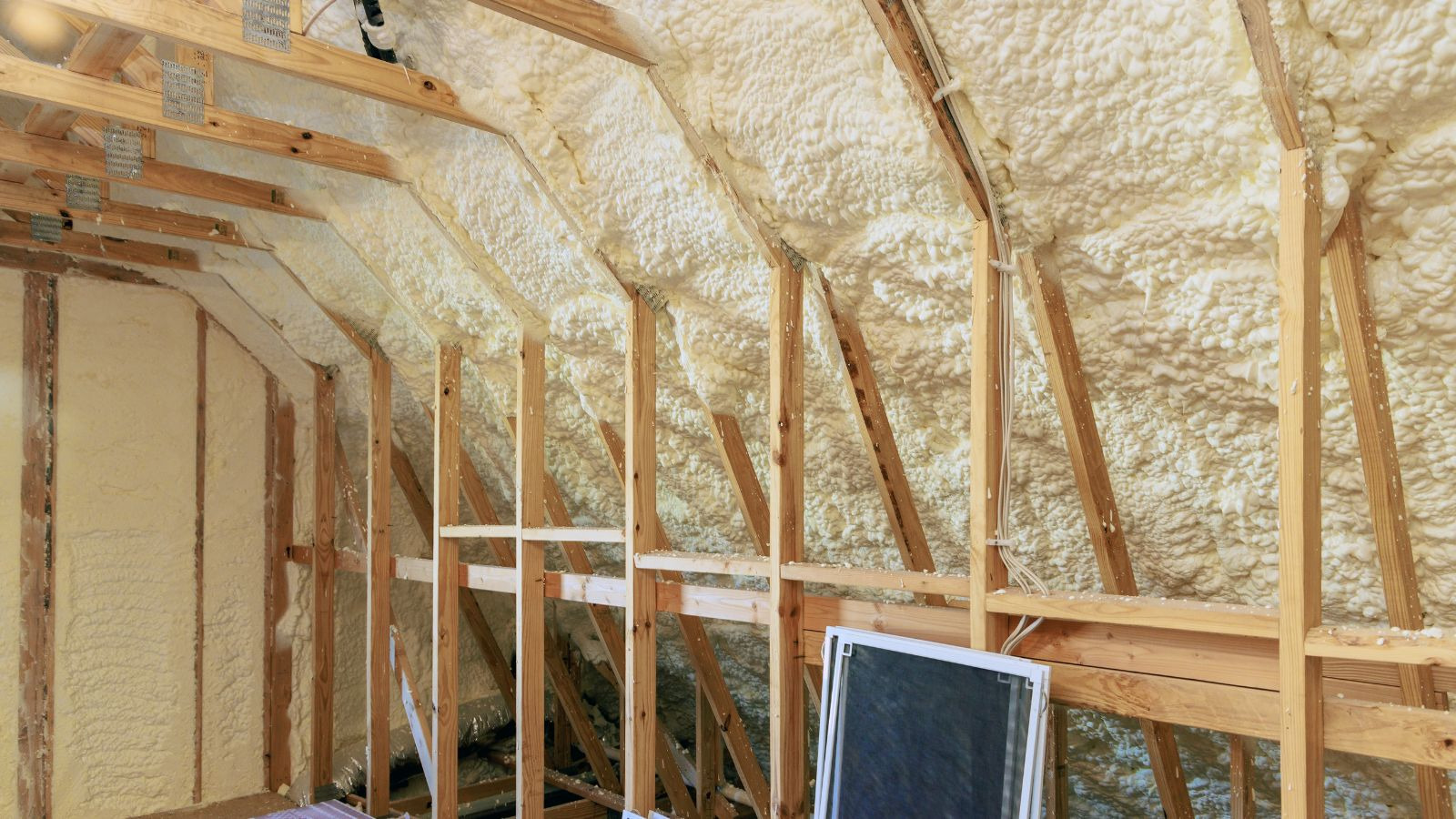
Building codes don’t typically mandate specific lighting for wine cellars, but electrical work must comply with the National Electrical Code (NEC). If the cellar is in a basement or conditioned space, any new circuits or fixture installations should be inspected. Cellars with vapor barriers or insulation require careful fixture placement to avoid thermal bridging or moisture intrusion. Consult a licensed electrician if running new wiring through insulated walls or adding dimmers to ensure safe, code-compliant installations.
LED Lighting: The Gold Standard for Wine Cellars
LED fixtures dominate modern wine cellar lighting for one reason: they produce minimal heat while delivering consistent, energy-efficient illumination. Unlike incandescent or halogen bulbs, LEDs generate virtually no UV radiation, protecting wine from light-induced degradation. A quality LED strip or recessed fixture can run for tens of thousands of hours without replacement, reducing maintenance in hard-to-reach cellar spaces.
When selecting LEDs for wine cellar lighting, pay attention to color temperature. Measured in Kelvin (K), color temperature affects the cellar’s visual warmth. Options between 2700K and 3000K (warm white) create a cozy, amber glow that complements wood racking and brick walls without distorting label colors. Cooler temperatures (4000K+) feel clinical and are better suited for commercial tasting rooms than residential cellars.
Dimmable LED drivers add flexibility, allowing homeowners to adjust brightness for different occasions, bright for inventory checks, low for ambiance during gatherings. Install a compatible dimmer switch rated for LED loads: older rotary dimmers designed for incandescent bulbs can cause flickering or buzzing. Most LED strips require a separate 12V or 24V transformer, which should be mounted outside the cellar in a ventilated area to prevent heat buildup.
LED strip lights work particularly well along shelving or in display niches, offering even illumination without bulky fixtures. Look for strips with adhesive backing rated for indoor use, and consider aluminum channels to diffuse light and protect the strips from physical damage. Waterproof (IP65 or higher) strips are unnecessary unless the cellar has high humidity, which would indicate a separate climate control problem.
Accent Lighting to Showcase Premium Bottles
Accent lighting directs focused beams onto specific bottles, labels, or display areas, creating visual hierarchy within the cellar. Recessed LED spotlights or adjustable puck lights mounted above or below shelves highlight premium vintages, drawing the eye to showcase bottles without flooding the entire space with light.
Install recessed fixtures in ceilings or soffits above wine racks, spacing them 24 to 36 inches apart for even coverage. Use narrow beam angles (15° to 25°) to concentrate light on target areas, wider beams wash out the effect and create unnecessary glare. Adjustable gimbal trims allow fine-tuning of the angle after installation, useful for illuminating varied rack configurations.
For freestanding or island racks, track-mounted accent lights provide flexibility without permanent ceiling penetrations. Low-voltage monorail systems (typically 12V) offer sleek profiles and easy repositioning, ideal for cellars where the layout may evolve over time.
Avoid pointing accent lights directly at cork closures for extended periods. While LEDs emit negligible UV, prolonged direct heat, even minimal, can dry corks over years. Aim lights at the bottle body or label area, not the neck. If showcasing rare bottles in glass-front cabinets, install LED strips along cabinet interiors rather than external spotlights to reduce reflection and glare on glass surfaces.
Track and Rail Lighting for Flexible Coverage
Track lighting systems offer adaptable illumination for wine cellars with non-standard layouts or evolving collections. Unlike fixed recessed lights, track fixtures can be repositioned along a rail, allowing homeowners to adjust coverage as racks expand or displays change.
Single-circuit tracks are straightforward, all fixtures on one track share a single switch and dimmer. Multi-circuit tracks allow independent control of fixture groups, useful in larger cellars where different zones need different brightness levels. For example, keep ambient lighting dim along storage racks while brightening a central tasting table.
Most residential track systems use either line-voltage (120V) or low-voltage (12V) fixtures. Low-voltage tracks with LED heads are preferable for wine cellars, they stay cooler, consume less power, and produce cleaner light. Line-voltage systems work but require fixtures specifically rated for low-heat output.
Install tracks parallel to wine racks, positioned 18 to 24 inches from the rack face to minimize shadows and ensure even illumination across bottle rows. In narrow cellars (under 8 feet wide), a single centered track often suffices. Wider rooms may need dual tracks flanking a central aisle.
Use barn door attachments or honeycomb louvers on track heads to control spill light and prevent glare when entering the cellar. These accessories narrow the beam spread, directing light precisely where needed without visual discomfort. Track systems work particularly well in combination with other wine cellar lighting layers, use tracks for task lighting while relying on toe-kick or under-rack LEDs for ambient glow.
Toe-Kick and Under-Rack Lighting for Ambient Glow
Toe-kick and under-rack lighting creates soft, indirect illumination that enhances safety and ambiance without direct glare. Installed along the base of racking or beneath shelves, these fixtures wash light across floors or up through bottle rows, producing a subtle glow ideal for after-hours cellar visits.
LED strip lights are the go-to solution for toe-kick installations. Mount strips along the bottom rail of wine racks or inside recessed toe-kick channels (typically 3 to 4 inches tall). Use aluminum extrusions with frosted diffusers to eliminate visible LED dots and create a continuous light line. Adhesive-backed strips simplify installation, but secure them with additional mounting clips every 12 to 18 inches to prevent sagging over time.
For under-rack lighting, install strips along the underside of horizontal shelves or counter-height tasting surfaces. This technique highlights the texture of stone or tile floors while reducing the need for overhead fixtures. In cellars with multiple rack tiers, layering under-rack LEDs on each level creates depth and visual interest.
Wire toe-kick and under-rack lights to a separate switch or dimmer from overhead fixtures. This allows ambient lighting to function independently, useful during evening tastings when full illumination would be excessive. Low-voltage LED strips (12V or 24V) require a transformer, which should be located outside the cellar to avoid introducing heat into the climate-controlled space.
Avoid installing LED strips directly against unfinished wood or porous stone, moisture or tannins can degrade adhesive backing. Mount strips on sealed or painted surfaces, or use aluminum channels as a barrier. If the cellar floor is concrete, ensure strips are elevated slightly (via mounting clips or channels) to prevent moisture wicking from the slab.
Chandelier and Statement Fixtures for Luxury Cellars
In high-end cellars designed as entertaining spaces, a chandelier or decorative pendant serves as both a functional light source and an architectural focal point. These fixtures anchor the room visually, often positioned above a tasting table or in the center of a vaulted cellar.
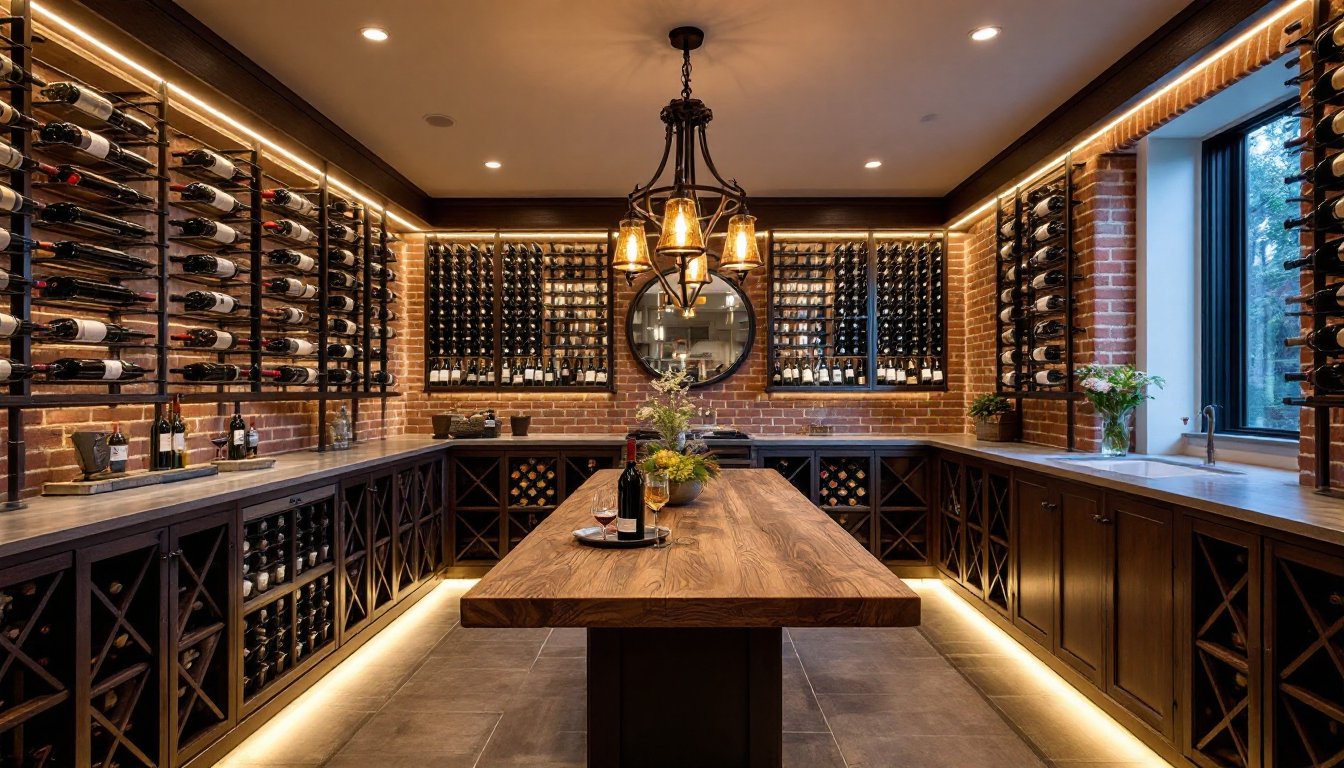
Choose chandeliers with LED candelabra bulbs or integrated LED modules to keep heat output low. Traditional crystal chandeliers create dramatic light patterns but require dimming capability to avoid overpowering the space. Iron or bronze fixtures with amber glass shades complement rustic wine cellar aesthetics, particularly in cellars with exposed brick, reclaimed wood, or stone walls.
Ceiling height dictates fixture scale and placement. In standard 8-foot ceilings, keep chandelier bottoms at least 30 inches above any tasting table to prevent head clearance issues. In cellars with 10-foot or higher ceilings, increase this to 36 inches for proper visual proportion. For walk-through cellars without furniture, ensure the lowest point of the fixture is at least 7 feet above the floor to meet typical building code clearances.
Statement fixtures should be on a dedicated dimmer circuit, independent of task or accent lighting. This separation allows the chandelier to provide ambient glow during social events while accent lights remain off, or vice versa during inventory sessions.
Be mindful of installation logistics. Chandeliers in basement cellars often require reinforcement of ceiling joists if the fixture weighs more than 15 pounds. Install a ceiling medallion or mounting bracket rated for the fixture’s weight, and secure it directly to a joist or blocking, not just drywall. If the cellar ceiling is insulated, seal around the electrical box with fire-rated caulk to maintain the vapor barrier and prevent air leakage.
Conclusion
Effective wine cellar lighting balances preservation, functionality, and aesthetics. LED technology dominates the field due to its low heat and UV output, making it safe for long-term wine storage. Layering accent lights, track systems, under-rack strips, and statement fixtures creates visual depth while maintaining the controlled environment wines require. Whether retrofitting an existing space or designing from scratch, prioritize dimmable, low-voltage fixtures on independent circuits to maximize flexibility and protect the collection for decades.