Recessed lighting fixtures don’t last forever. After years of use, trim rings tarnish, housings corrode, and outdated bulb types drain energy. Whether upgrading to LED retrofit kits for efficiency or swapping a failed fixture entirely, changing recessed lights is a manageable DIY project that transforms a room’s look and function. Most homeowners can handle this work in an afternoon with basic electrical know-how and the right preparation. This guide walks through the complete process, from identifying when a fixture needs replacing to testing the new installation, so anyone comfortable working around household electricity can tackle the job safely and correctly.
Table of Contents
ToggleKey Takeaways
- Change recessed lighting when you notice persistent flickering, visible rust, or moisture damage, or to upgrade to energy-efficient LED fixtures that use 80% less power than incandescent bulbs.
- Turn off power at the circuit breaker (not just the wall switch) and use a non-contact voltage tester to verify electricity is off before touching any wiring during your recessed lighting project.
- Select remodel housings with adjustable clips for most DIY replacements in finished ceilings, and ensure any fixture installed under attic insulation is IC-rated to prevent fire hazards.
- Wire connections are critical: match black to black, white to white, and ground wires securely, using appropriately sized wire nuts to prevent loose connections that cause arcing and fires.
- Test the fixture immediately after installation for proper lighting without flickering or buzzing, and troubleshoot issues like incompatible dimmers or loose neutrals before closing up the ceiling.
When and Why You Should Change Your Recessed Lights
Several signs indicate it’s time to replace recessed lighting rather than just change bulbs. Flickering that persists after bulb replacement often points to failing sockets or corroded wiring connections inside the housing. Visible rust, water stains, or discoloration around the trim suggests moisture intrusion that compromises electrical safety.
Energy efficiency drives many upgrades. Older incandescent or halogen recessed fixtures consume 65–90 watts per bulb, while LED retrofit kits or integrated LED housings use 8–15 watts for equivalent brightness. The payback period on LED upgrades typically runs 2–3 years in frequently used rooms.
Remodeling projects also trigger fixture changes. Switching from standard 6-inch housings to adjustable gimbal trims improves accent lighting control. Converting non-IC-rated fixtures (not safe for insulation contact) to IC-rated housings allows proper attic insulation, cutting heat loss.
Code compliance matters in older homes. Fixtures installed before 2000 may lack modern junction box requirements or use outdated wiring methods. When selling or refinancing, inspectors flag these issues. Homeowners should verify local code requirements, some jurisdictions now mandate airtight IC-rated housings in new installations or major renovations to meet energy codes.
Tools and Materials You’ll Need
Gathering everything before starting prevents mid-project hardware store runs. Required tools include:
- Voltage tester (non-contact type for safety checks)
- Wire strippers and wire nuts (14- or 12-gauge compatible)
- Screwdriver set (both Phillips and flathead)
- Utility knife (for cutting drywall if accessing housings)
- Headlamp or work light (attic work requires hands-free lighting)
- Ladder (6-foot stepladder for standard 8-foot ceilings)
- Needle-nose pliers (for tight wire connections)
- Drywall saw (if enlarging ceiling openings)
Materials depend on the replacement type:
- New recessed housing (remodel or new construction type, most DIYers need remodel housings with adjustable clips)
- LED retrofit kit (if keeping existing housing and just updating trim/bulb)
- Junction box (if current installation lacks proper housing)
- Wire connectors and electrical tape
- Insulation clips (for IC-rated installations)
Choose between remodel housings (designed for retrofit into existing ceilings with spring clips) and new construction housings (nailed to joists before drywall goes up). Remodel cans work for 99% of fixture replacements in finished rooms. Verify the housing fits the ceiling cavity depth, most require 6–8 inches clearance above the drywall.
Safety First: Preparing Your Work Area
Electrical work demands absolute respect for safety protocols. Turn off power at the circuit breaker, not just the wall switch. Recessed lights often share circuits with outlets or other fixtures, so flip the correct breaker and verify it’s off.
Use a non-contact voltage tester at the fixture socket and any exposed wires before touching anything. Test the tester itself on a known live outlet first to confirm it’s working. Even with the breaker off, always treat wires as live until verified.
Wear appropriate personal protective equipment: safety glasses (falling debris and insulation fragments), work gloves (sharp metal edges on housings), and a dust mask if disturbing old insulation. Attic temperatures can exceed 130°F in summer, hydrate and take breaks.
Secure the work area below. Move furniture and lay drop cloths to catch drywall dust and insulation. If working from a ladder, ensure it’s on stable, level ground. For ceiling work, a 4-foot stepladder provides better stability than overreaching from a 6-footer.
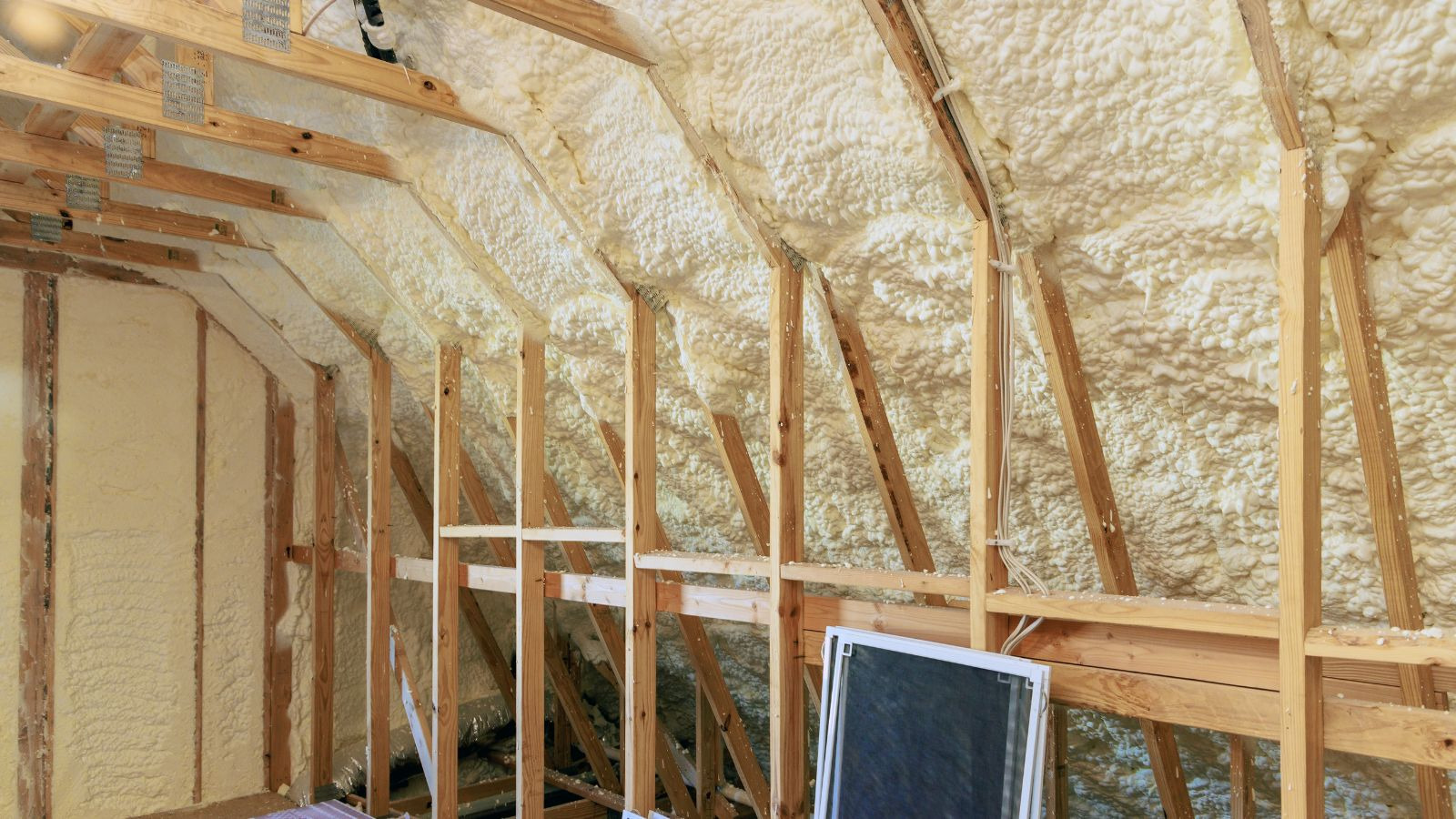
Check for insulation contact. If the existing fixture sits under attic insulation but isn’t rated IC (insulation contact), the new fixture must be IC-rated or insulation must be kept 3 inches away with baffles. Non-IC fixtures touching insulation create fire hazards, this isn’t optional.
How to Remove Your Old Recessed Light Fixture
Start by removing the bulb and trim ring. Most trims use spring clips or compression springs. Squeeze the springs together inside the housing and pull the trim straight down. Some older trims screw into the housing, turn counterclockwise if they resist pulling.
With the trim removed, look inside the housing for the socket assembly. Disconnect any quick-connect plugs or wire nuts connecting the socket to the house wiring. In some fixtures, the socket is hardwired directly, note wire colors before disconnecting (black to black, white to white, bare copper to ground).
Removing the housing itself depends on the mounting type. Remodel housings have spring-loaded clips on the sides. Push each clip inward toward the housing center while pulling down on the fixture. This releases the tension holding it against the drywall. There are typically 3–4 clips per fixture.
New construction housings nailed to joists require attic access. From above, remove any screws or nails securing the housing to framing. Be careful, some housings have sharp metal flanges. Disconnect the wiring at the junction box (usually mounted on the housing or nearby), remove wire nuts, and separate the fixture wiring from house wiring.
If no attic access exists and the housing won’t release, the homeowner may need to cut the drywall around the fixture using a drywall saw. Cut carefully to avoid hitting joists or wiring. This creates a larger hole requiring patching, but it’s sometimes the only way to remove stubborn fixtures without damaging the ceiling.
Installing Your New Recessed Lighting
Installation methods split between full housing replacement and retrofit kits. For full housing replacement, thread the house wiring through the housing’s junction box knockout before positioning the fixture. Connect wires: black (hot) to black, white (neutral) to white, and bare copper or green (ground) to the housing ground screw. Use wire nuts sized for 14- or 12-gauge wire (check existing wire gauge, most home lighting circuits use 14-gauge).
Push the housing into the ceiling opening. Remodel housings have adjustable mounting clips, pull each clip outward until it extends above the housing top, then push the housing up flush with the ceiling. The clips will grip the drywall from above, securing the fixture. Ensure the housing sits level and flush before releasing clips.
For LED retrofit kits, the process is simpler if the existing housing remains functional. Remove the old socket and trim as described earlier. Most retrofit kits include a conversion plate that screws or clips into the existing housing. Thread the kit’s wiring pigtail through the plate, connect it to the house wiring (same color-matching method), and tuck wires into the housing.
Snap or screw the retrofit kit’s trim into place. Many use a twist-and-lock mechanism, align the tabs, push up, and rotate a quarter turn. The integrated LED module and trim become one unit.
For IC-rated installations in insulated ceilings, verify the housing is marked IC before covering it with insulation. Non-IC housings must have insulation dams installed maintaining 3-inch clearance. This is a common code violation, inspectors check this during home sales.
Double-check that all wire connections are tight, no bare wire is exposed beyond wire nuts, and the ground wire is properly attached. Loose connections cause arcing and fires.
Testing and Troubleshooting Common Issues
Before closing up the work, restore power at the breaker and test the fixture. Flip the wall switch, the light should come on immediately without flickering or buzzing. If it doesn’t work, turn the breaker back off and recheck connections.
Light won’t turn on: Verify the breaker is on and the switch works (test with a voltage tester at the switch). Recheck wire connections, a loose neutral is the most common culprit. Confirm the bulb is seated properly in retrofit kits or that integrated LEDs haven’t been damaged during installation.
Flickering or dimming: Incompatible dimmer switches cause most LED flickering. Standard incandescent dimmers don’t regulate LED current properly. Replace with a LED-compatible dimmer rated for the fixture’s wattage. Check the fixture specs, not all LED recessed lights support dimming.
Buzzing or humming: This indicates a loose connection or incompatible dimmer. Turn off power and tighten all wire nuts. If the buzz persists, the transformer in an integrated LED fixture may be defective, this requires fixture replacement under warranty.
Trim won’t sit flush: Misaligned mounting clips or a warped housing cause gaps. Remove the trim and adjust clips so they’re evenly spaced. If the ceiling opening is too large, the trim won’t cover it, some trims include oversized trim rings to cover mistakes.
Overheating: If a fixture feels excessively hot or smells like burning plastic, shut off power immediately. This suggests the wrong bulb wattage, blocked ventilation, or insulation contact on a non-IC fixture. Never exceed the fixture’s maximum wattage rating, it’s stamped inside the housing.
Conclusion
Changing recessed lighting updates a home’s appearance and efficiency without the complexity of full electrical rewiring. Homeowners who respect safety protocols, verify power is off, and take time on wire connections can complete most fixture swaps in 30–45 minutes per light. The key is choosing the right housing type, remodel for existing ceilings, IC-rated for insulated spaces, and testing thoroughly before finishing. When in doubt about wire sizing, circuit capacity, or code requirements, consulting a licensed electrician prevents costly mistakes and ensures the installation meets local standards.