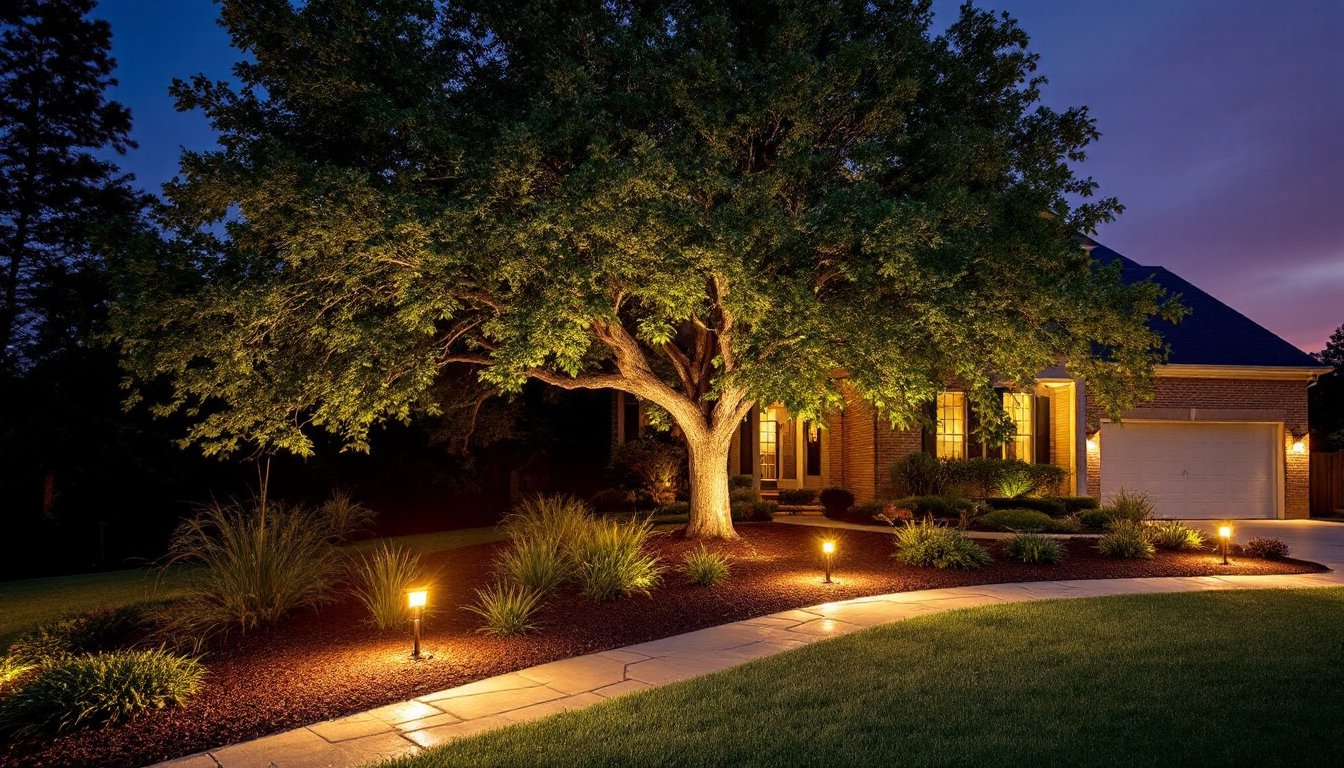
Installing landscape lighting transforms any yard from flat and forgettable to dramatic after dark. It highlights architectural features, illuminates walkways for safety, and extends usable outdoor time well past sunset. While landscape lighting install projects might look intimidating, most homeowners can tackle a low voltage system in a weekend with basic tools and careful planning. The key is understanding fixture types, mapping out a solid design, and following a methodical installation process. This guide walks through everything needed to light up outdoor spaces like a pro, from choosing the right fixtures to burying cable and maintaining the system for years of reliable performance.
Table of Contents
ToggleKey Takeaways
- Landscape lighting installation enhances safety, curb appeal, and property value while transforming outdoor spaces into usable areas well after sunset.
- Most homeowners can complete a low voltage landscape lighting installation system in a weekend with basic tools, costing $300–$1,200 for DIY or $2,000–$5,000 for professional installation.
- Proper fixture selection and placement—including path lights, spotlights, well lights, and flood lights—requires planning the design layout, calculating transformer capacity, and accounting for voltage drop over distance.
- Always test the complete landscape lighting system before burying cable, verifying that fixtures receive 10.8 to 12 volts, and make critical adjustments for proper aiming after dark.
- Regular maintenance such as cleaning fixtures twice yearly, checking electrical connections annually, and replacing bulbs promptly keeps landscape lighting systems performing reliably for 15 to 20 years.
- Call 811 before digging trenches to locate buried utilities, and use direct burial cable rated for wet locations to prevent water intrusion and system failure.
Why Landscape Lighting Installation Is Worth the Investment
Installing landscape lighting delivers both practical benefits and aesthetic appeal that pays off immediately. Safety tops the list, well-lit pathways, steps, and driveways reduce trip hazards and deter unwanted visitors. Insurance companies recognize this: some offer discounts for improved exterior lighting.
Curb appeal gets a measurable boost. Real estate professionals consistently note that homes with landscape lighting sell faster and command higher prices. Strategic lighting draws attention to mature trees, stonework, or architectural details that disappear after dusk.
Extended living space matters, especially in regions with pleasant evenings. Proper lighting turns patios, decks, and gardens into usable areas for dining or entertaining long after sunset. The investment typically ranges from $2,000 to $5,000 for professional installation, or $300 to $1,200 for a DIY low voltage system covering an average suburban lot. Material costs vary by region and fixture quality, but the functional and visual returns justify the expense for most homeowners.
Essential Types of Landscape Lighting Fixtures
Choosing the right fixtures determines how effectively the system illuminates outdoor spaces. Each type serves a specific purpose:
Path lights stand 12 to 24 inches tall and cast downward pools of light along walkways, driveways, or garden borders. They provide safe footing without creating glare.
Spotlights deliver focused, directional beams to highlight specimen trees, statues, or architectural features. Most models accept MR16 or PAR36 bulbs and include adjustable mounting brackets for precise aiming.
Well lights install flush with the ground and shine upward. They’re ideal for uplighting tree trunks, columns, or walls. Look for models with sealed housings rated for in-ground burial to prevent water intrusion.
Flood lights spread broad, even illumination across large areas like patios or building facades. They work well for general task lighting but should be aimed carefully to avoid light pollution.
Deck and step lights mount directly into risers or post caps, providing subtle safety lighting for stairs and railings. LED versions last 25,000+ hours and draw minimal power.
Most residential installations use 12-volt low voltage fixtures powered by a transformer. They’re safer to work with than line voltage (120V) systems and don’t require an electrician or permit in most jurisdictions. Always verify local code requirements before starting.
Planning Your Landscape Lighting Design
Solid planning prevents costly mistakes and ensures balanced coverage. Start by walking the property at dusk with a notepad, identifying areas that need illumination, entry paths, dark corners, focal points, and safety hazards.
Sketch a scaled layout showing the house, walkways, plantings, and proposed fixture locations. Mark the transformer location near a GFCI-protected outlet: most codes require outdoor outlets to have ground fault protection.
Calculate transformer capacity by adding up the wattage of all fixtures. A 300-watt transformer handles about twenty-five 12-watt fixtures, leaving a 20% safety margin recommended by the National Electrical Code (NEC). Undersizing the transformer leads to dim lights and shortened bulb life.
Plan cable runs to minimize voltage drop. Low voltage systems lose power over distance: runs exceeding 100 feet on 12-gauge wire may need a dedicated home run or a larger wire gauge (10-gauge). Use direct burial cable rated for wet locations (typically UF or landscape lighting-specific cable).
Layer the lighting for visual interest. Combine path lights for safety, spotlights for focal points, and ambient lighting for gathering areas. Avoid the “runway effect” of evenly spaced path lights by varying fixture placement slightly.
Consider photocells or timers to automate operation. Photocells turn lights on at dusk and off at dawn: timers allow precise scheduling. Both save energy and eliminate the need to manually switch the system.
DIY vs. Professional Landscape Lighting Installation
Installing low voltage landscape lighting falls within reach for most DIYers with basic electrical understanding. The work doesn’t require conduit, junction boxes, or a licensed electrician in most areas, though local codes vary, always check with the building department.
DIY makes sense when:
- The property has straightforward access for cable runs
- The homeowner feels comfortable with basic wiring (wire stripping, connector crimping)
- The system uses a pre-packaged kit or simple layout with fewer than 20 fixtures
- Budget constraints favor sweat equity over professional fees
Basic tools include a spade or trenching tool, wire strippers, voltage meter, and shovel. A flat spade works fine for short runs: longer cable routes go faster with a manual edger or power trencher (available at rental centers for $40–$80 per day).
Professional installation is worth considering when:
- The design includes complex zoning across multiple transformer circuits
- The property has challenging terrain, extensive hardscaping, or irrigation systems that complicate trenching
- Line voltage (120V) fixtures or connections to the main electrical panel are involved, requiring a licensed electrician
- The homeowner lacks time or confidence for the physical work
Professionals bring design expertise, proper tools, and warranty-backed work. A reputable installer will map voltage drop, balance loads across transformer taps, and ensure compliance with local codes. Expect to pay $75 to $150 per fixture for professional labor, depending on region and complexity.
Step-by-Step Landscape Lighting Installation Process
Installing a low voltage landscape lighting system follows a logical sequence. Rushing or skipping steps leads to flickering lights, voltage issues, or damaged cable.
Materials and Tools Needed
- Low voltage transformer (sized to total wattage)
- Landscape lighting fixtures
- 12-gauge or 10-gauge direct burial cable
- Waterproof wire connectors
- Spade, trenching tool, or edger
- Wire strippers and voltage meter
- Safety glasses and work gloves
- Marking flags or spray paint
Installation Steps
-
Mount the transformer on an exterior wall near a GFCI outlet, typically 12 to 18 inches above grade to avoid ground moisture. Use corrosion-resistant screws and ensure the unit is level.
-
Lay out fixtures according to the design plan. Place them on the ground without wiring to check spacing and aiming. Adjust as needed before committing to trenches.
-
Dig trenches 6 to 8 inches deep along cable routes. Some installers use a flat spade to create a narrow slit: others prefer a wider trench for easier backfilling. Avoid damaging irrigation lines, tree roots, or existing utilities. Call 811 before digging to locate buried utilities.
-
Run cable from the transformer to fixture locations. Leave 6 to 12 inches of slack at each fixture for adjustments and maintenance. Avoid sharp bends that stress the wire.
-
Connect fixtures using waterproof connectors. Most low voltage fixtures use quick-connect or silicone-filled wire nuts. Strip 3/8 inch of insulation, insert wires, and twist or crimp according to manufacturer instructions.
-
Test the system before burying cable. Plug in the transformer and check each fixture for proper operation. Use a voltage meter to verify that fixtures receive 10.8 to 12 volts: lower readings indicate voltage drop or loose connections.
-
Bury cable and backfill trenches. Tamp soil firmly to prevent settling. Water the area to help soil settle and reveal any low spots.
-
Adjust fixture aiming after dark. Spotlights and well lights often need fine-tuning to hit the intended target. Avoid aiming lights into neighbors’ windows or creating glare on roadways.
-
Set timer or photocell according to desired operation. Most transformers include built-in timers: standalone photocells plug into the outlet before the transformer.
Common Installation Mistakes to Avoid
- Undersizing wire gauge for long runs, causing dim lights at the end of the circuit
- Forgetting to account for landscape changes (future plantings may block light paths)
- Skipping slack loops at fixtures, making future adjustments difficult
- Over-tightening connector screws, which damages wire insulation
Maintenance Tips to Keep Your Lights Shining Bright
Low voltage landscape lighting requires minimal upkeep, but neglecting routine maintenance shortens system life and dims performance.
Clean fixtures twice per year. Dirt, spider webs, and oxidation reduce light output by 30% or more. Remove lenses, wipe with a damp cloth, and inspect gaskets for wear.
Check connections annually. Moisture can corrode wire nuts and quick-connect terminals. Disconnect, inspect for green corrosion, clean with a wire brush if needed, and reconnect. Apply dielectric grease to terminals for added protection.
Trim vegetation around fixtures as plants grow. Overgrown shrubs block light and trap moisture against housings.
Replace bulbs promptly. Halogen bulbs last 2,000 to 4,000 hours: LEDs run 25,000+ hours. Keep spares on hand for quick swaps. Match the original wattage and beam angle to maintain design intent.
Test transformer output every few years with a voltage meter. Transformers can fail gradually, delivering insufficient voltage that dims lights and strains bulbs.
Inspect cable when doing other landscape work. Accidental shovel cuts or settling soil can expose or damage wire. Repair damaged sections immediately with waterproof splices or replace the run.
Proper maintenance keeps landscape lighting systems performing reliably for 15 to 20 years, with only bulb replacements and occasional fixture upgrades needed.
Conclusion
Installing landscape lighting delivers immediate returns in safety, curb appeal, and outdoor usability. With careful planning, the right fixtures, and attention to voltage calculations and cable routing, most homeowners can handle a low voltage installation in a weekend. The key is methodical work, measure twice, test before burying, and don’t skip prep steps. Whether tackling the project solo or hiring a professional, a well-executed lighting system transforms outdoor spaces and performs reliably for decades with minimal maintenance.