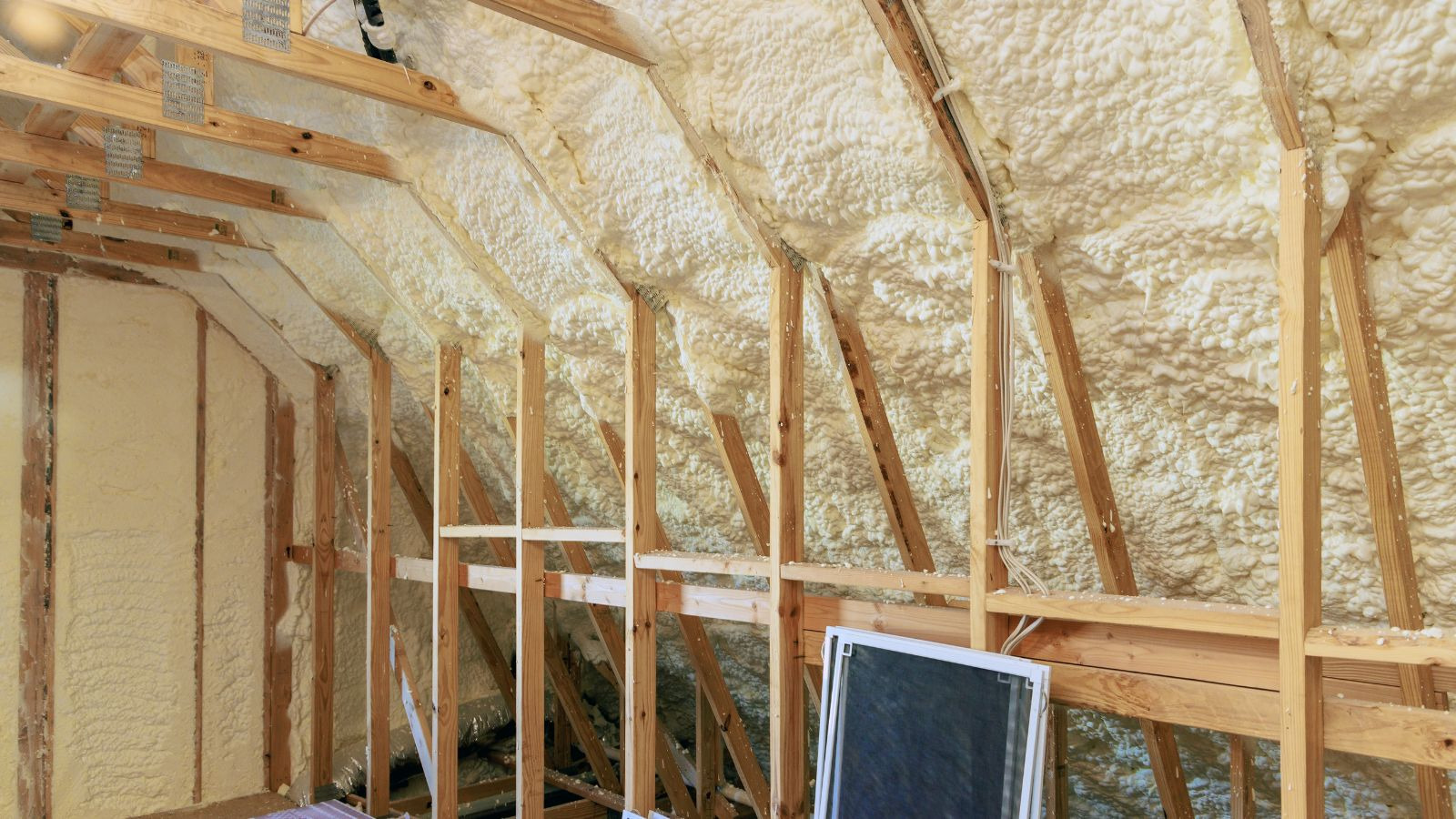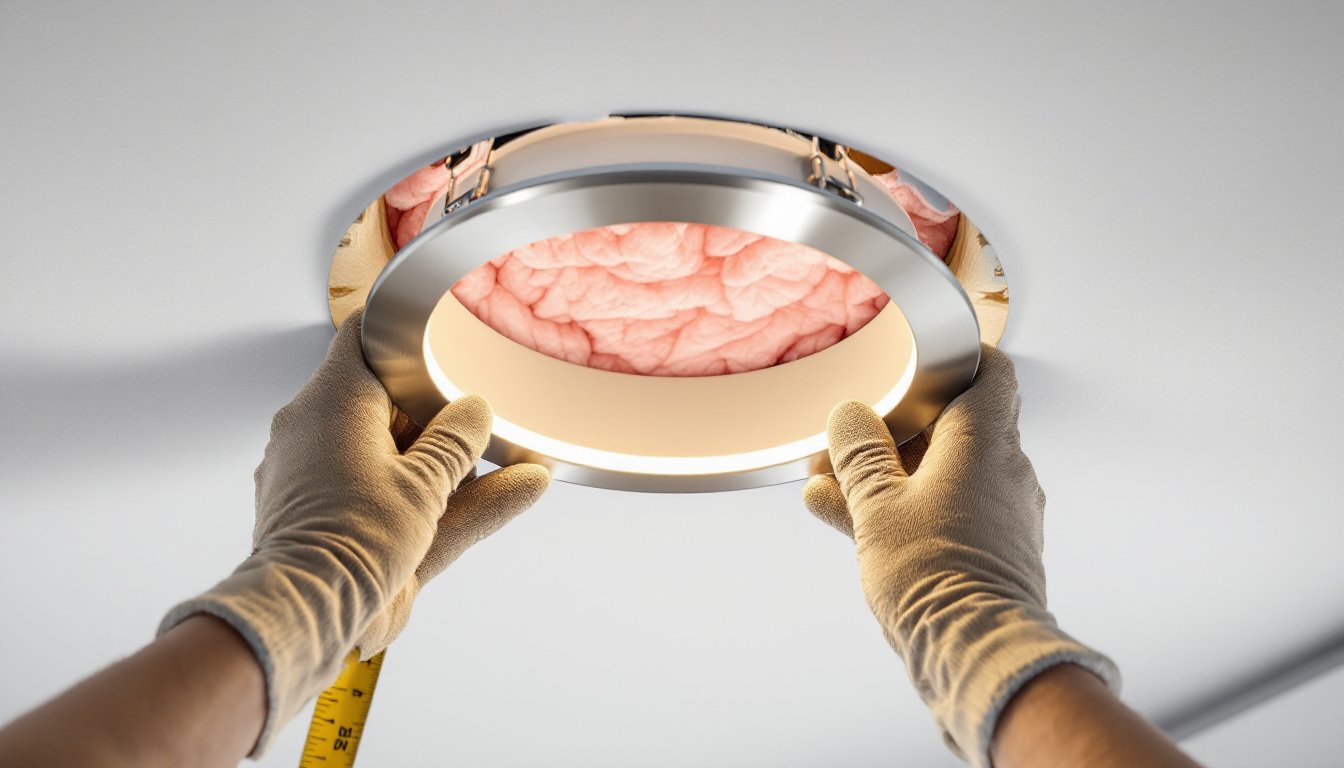
When ceiling joists leave only two or three inches of clearance, traditional recessed cans won’t fit. That’s where ultra-thin recessed lighting changes the game. These shallow-profile fixtures install in spaces once considered impossible for recessed lights, underneath insulated ceilings, in manufactured homes, or below second-floor joists with minimal depth. They deliver the clean, modern look of recessed lighting without the six-inch cavity that standard housings demand. For renovators working with existing construction or builders facing tight dimensional constraints, ultra-thin LED fixtures offer a practical workaround that doesn’t sacrifice illumination quality or code compliance.
Table of Contents
ToggleKey Takeaways
- Ultra-thin recessed lighting requires only ½ to 1½ inches of ceiling depth, making it ideal for retrofit projects, basements, kitchens with soffits, and spaces where traditional cans won’t fit.
- These fixtures integrate the LED array, heat sink, and driver into a single unit with a 35,000 to 50,000-hour lifespan, delivering energy efficiency (9–15 watts) and reduced heat output compared to incandescent alternatives.
- Installation is faster and simpler than traditional recessed lighting, using spring clips or junction box adapters without requiring deep housing anchors or extensive attic access.
- Choose ultra-thin recessed lights based on lumen output (600–800 for kitchens, 400–600 for bedrooms), color temperature (2700K for warm, 4100K for neutral, 5000K+ for daylight), and moisture ratings for bathrooms or damp locations.
- Avoid common mistakes like ignoring driver heat dissipation, using incompatible dimmers, skipping IC ratings in insulated ceilings, and cutting holes before confirming fixture dimensions and fit.
What Is Ultra-Thin Recessed Lighting?
Ultra-thin recessed lighting refers to LED fixtures with integrated drivers that require only ½ inch to 1½ inches of ceiling depth. Unlike conventional recessed cans that house separate bulbs and trim rings inside a metal housing, ultra-thin models combine the LED array, heat sink, and driver into a single low-profile unit.
Most measure between 4 inches and 6 inches in diameter and mount directly to the ceiling drywall or a standard electrical box. The entire fixture, lens, housing, and all, protrudes less than an inch into the ceiling cavity. This shallow design eliminates the need for deep housings and makes installation possible in spaces where joists, ductwork, or insulation leave little room.
Because they use integrated LEDs rather than replaceable bulbs, these fixtures are designed as complete systems. The driver (analogous to a transformer) converts line voltage to the low voltage the LEDs require, and it’s built into the fixture body. Lifespan typically ranges from 35,000 to 50,000 hours, which translates to decades of use in residential applications. When the LEDs eventually dim, the entire fixture is replaced rather than just a bulb.
Key Benefits of Ultra-Thin Recessed Lights
Minimal ceiling depth required. The primary advantage is clearance. Traditional IC-rated housings need at least 5 to 7 inches of space above the ceiling. Ultra-thin lights fit in as little as ½ inch, making them viable for retrofit projects where ceiling cavities are shallow or obstructed.
Faster, simpler installation. Most ultra-thin fixtures install with spring clips or a junction box adapter. There’s no separate housing to anchor between joists, no need to cut large holes, and often no attic access required. A 4-inch hole saw and basic electrical skills are usually sufficient.
Energy efficiency. LED technology draws significantly less power than halogen or incandescent equivalents. A typical ultra-thin recessed light uses 9 to 15 watts while producing the same lumen output as a 65-watt incandescent. Over the fixture’s lifespan, energy savings are substantial.
Reduced heat output. LEDs generate far less heat, which improves safety and reduces cooling loads in summer. This matters in insulated ceilings where heat dissipation is limited.
Dimming capability. Many models are dimmable when paired with compatible LED dimmers. Check the fixture specifications and match the dimmer type, standard incandescent dimmers can cause flickering or buzzing with LEDs.
Where to Use Ultra-Thin Recessed Lighting
Basement ceilings. Drop ceilings and low joists make basements prime candidates. Ultra-thin fixtures mount directly to ceiling tiles or drywall without requiring deep cavities.
Kitchens with soffits. Soffit interiors rarely have more than a couple inches of clearance. Ultra-thin lights can illuminate inside cabinets or above countertops where standard cans won’t fit.
Bathrooms. Moisture-rated ultra-thin fixtures work well in shower enclosures or over vanities. Look for models rated for damp or wet locations and verify compliance with NEC Article 410 for bathroom lighting.
Closets and hallways. Narrow spaces benefit from the streamlined appearance. Since these areas typically don’t require high lumen output, a few strategically placed fixtures provide adequate illumination.
Manufactured and modular homes. These structures often feature shallower joist depths and tight spacing that complicates traditional recessed lighting. Ultra-thin models solve the clearance issue without structural modification.
Insulated ceilings in older homes. Retrofitting recessed lights in insulated ceilings can be tricky due to IC (Insulation Contact) rating requirements and clearance limits. Ultra-thin fixtures simplify the process and reduce the risk of compressing insulation, which degrades its R-value.
How to Choose the Right Ultra-Thin Recessed Lights
Lumen output. Match lumens to the room’s purpose. Kitchens and workspaces typically need 600 to 800 lumens per fixture, while bedrooms and hallways can get by with 400 to 600 lumens. For task lighting, go higher: for ambient lighting, lower output works.
Color temperature. Measured in Kelvin, this determines the light’s hue. 2700K to 3000K produces warm white similar to incandescent bulbs, suitable for living areas. 3500K to 4100K offers neutral white for kitchens and baths. 5000K and above yields daylight white, often used in workshops or garages.
Beam angle. Narrow beams (around 40 degrees) create focused downlighting for task areas. Wide beams (90 to 120 degrees) spread light more evenly for general illumination. Some fixtures offer adjustable trim or multiple beam options.
Dimming compatibility. Confirm the fixture is dimmable and note the recommended dimmer type. LED-specific dimmers prevent flicker and provide smoother dimming range. Not all ultra-thin lights dim down to the same low level, check the minimum percentage if full-range dimming matters.
Wet or damp ratings. Bathrooms, covered porches, and other moisture-prone areas require fixtures rated for damp or wet locations per NEC standards. Standard dry-rated fixtures will fail prematurely in humid environments.
Housing depth and diameter. Verify the actual cutout diameter and depth requirement. Even among ultra-thin models, dimensions vary. Measure the available space before purchasing to ensure compatibility.
CRI (Color Rendering Index). A CRI of 80 or higher is acceptable for most applications: 90+ is preferable in spaces where color accuracy matters, such as kitchens or dressing areas.
Installation Tips for Ultra-Thin Recessed Lighting
Turn off power at the breaker. Verify the circuit is dead with a non-contact voltage tester. Ultra-thin lights are low-voltage at the LED, but the supply side is still 120V.
Map the layout. Space fixtures 4 to 6 feet apart for even illumination in most residential applications. Avoid placing them too close to walls, 18 to 24 inches from the wall to the fixture center is a good rule for ambient lighting.
Check for obstructions. Before cutting, probe the ceiling cavity with a stud finder or a small inspection camera. Joists, plumbing, or ductwork can interfere. If attic access is available, inspect from above.
Cut the hole. Use a hole saw matched to the fixture’s cutout diameter (commonly 4, 5, or 6 inches). For drywall, a sharp hole saw minimizes chipping. For plaster or tile, score the perimeter with a utility knife first.
Run the wiring. Ultra-thin fixtures typically connect to standard 14/2 or 12/2 NM cable (depending on circuit amperage). If adding new circuits, follow NEC requirements for wire gauge, box fill, and overcurrent protection. In retrofit scenarios, fish wire from an existing junction box or switch.
Mount the fixture. Most ultra-thin lights use spring-loaded clips that snap into the ceiling cutout. Tuck the driver and wiring into the cavity, connect the leads with wire nuts (black to black, white to white, ground to ground), then push the fixture into place until the clips engage. Some models include a junction box adapter that screws to a standard octagon box.
Test and adjust. Restore power and verify operation. If the fixture is dimmable, test with the dimmer to ensure smooth performance without flicker. Adjust trim or orientation if the model allows.
Safety note: Wear safety glasses when drilling overhead and use a dust mask if working in spaces with old insulation. If the project involves adding new circuits or extensive rewiring, consult a licensed electrician, especially if local code requires permitted work.
Common Mistakes to Avoid
Ignoring the driver’s heat dissipation needs. Even though LEDs run cool, the driver generates heat. Don’t bury it in insulation or pack it tightly against combustible materials. Ensure adequate ventilation per the manufacturer’s specs.
Using the wrong dimmer. Standard incandescent dimmers can cause LEDs to flicker, buzz, or fail to turn on. Install an LED-compatible dimmer and verify it’s rated for the total wattage on the circuit.
Overloading the circuit. Calculate the total wattage of all fixtures on the circuit. A typical 15-amp circuit can handle up to 1,440 watts (120V × 15A × 0.8 safety factor), but with LEDs drawing so little, this is rarely an issue unless combining with other loads.
Skipping the IC rating in insulated ceilings. Even ultra-thin fixtures need to be IC-rated if they’ll contact insulation. Non-IC fixtures must have clearance from insulation, which defeats the purpose in shallow cavities.
Cutting holes before confirming fixture fit. Measure twice, cut once. Verify the cutout diameter and depth before drilling. An oversized hole won’t hold the fixture’s clips: an undersized hole won’t fit the housing.
Mixing color temperatures. Installing warm white in one room and daylight white in an adjacent open space creates jarring visual inconsistency. Stick to one color temperature throughout connected areas.
Neglecting local codes. Some jurisdictions require permits for adding new lighting circuits or making electrical modifications. Check with the local building department before starting work that extends beyond simple fixture replacement.
Conclusion
Ultra-thin recessed lighting solves a problem that traditional housings can’t: delivering clean, modern illumination in spaces with minimal ceiling depth. Whether retrofitting a basement, updating a manufactured home, or working around insulation and obstructions, these fixtures offer a practical, energy-efficient alternative. By selecting the right lumen output, color temperature, and mounting method, and avoiding common installation pitfalls, homeowners and DIYers can achieve professional-grade results without gutting ceilings or compromising on design.