Poor lighting turns even the nicest small bathroom into a dingy cave. Recessed lights, fixtures installed flush with the ceiling, solve this problem better than any other option. They don’t crowd the space, they distribute light evenly, and they can target specific work areas without casting shadows. But cramming too many fixtures into a 5×8 ceiling creates glare, while too few leaves dark corners where grime hides. Getting the layout right means understanding spacing rules, electrical codes, and the specific needs of vanities, showers, and tubs. This guide walks through the planning process, from fixture count to exact placement, so homeowners can design a layout that makes every inch of their small bathroom functional and well-lit.
Table of Contents
ToggleKey Takeaways
- Small bathroom recessed lighting layout requires spacing fixtures 4 feet apart for 8-foot ceilings and 3.5 feet for 7-foot ceilings, positioned 18 to 24 inches from walls to avoid glare and harsh shadows.
- Recessed lights above the vanity must be placed on either side of the mirror rather than directly overhead to eliminate unflattering shadows and provide even task illumination.
- Fixtures installed within 3 feet of tubs or showers must be wet-location rated (IP65 or higher) and installed on GFCI-protected circuits to meet electrical code and prevent water damage.
- A 40-square-foot bathroom needs 2,800 to 3,200 lumens total, which typically requires 3 to 5 LED recessed fixtures depending on beam angle and can size.
- Using 4-inch cans with flood beams (100 to 120 degrees) provides better light distribution in tight spaces, while dimmers allow you to adjust brightness for different times of day and activities.
- Common installation mistakes like overlighting, ignoring beam angles, and skipping wet-location ratings in shower zones create safety hazards and code violations—always hire a licensed electrician for permit-required work.
Why Recessed Lighting Works Best in Small Bathrooms
Recessed lights (also called can lights or downlights) sit inside the ceiling plane rather than hanging down. In a bathroom with 7- or 8-foot ceilings, that makes a huge difference, there’s no fixture to bump into, no visual clutter competing with mirrors and cabinetry.
Small bathrooms also have tight corners and limited wall space. Sconces work well at the vanity, but they can’t light the entire room without creating harsh shadows or blocking cabinet doors. Recessed fixtures distribute light from above, reaching into corners that wall-mounted lights miss.
Moisture resistance is another advantage. Most recessed housings designed for bathrooms carry an IP rating (Ingress Protection rating) that indicates resistance to water and dust. Look for fixtures rated IP44 or higher for general bathroom use, and IP65 for direct shower or tub zones. These ratings ensure the fixture can handle steam and occasional splashing without shorting out.
Finally, recessed lights work with low ceilings. A small bathroom often has an 80-inch ceiling height, which makes pendant lights impractical. Recessed housings typically need only 4 to 6 inches of clearance above the drywall, which fits most joist cavities without modification.
Essential Spacing and Placement Rules for Small Bathroom Recessed Lights
The standard spacing formula for recessed lighting is to divide the ceiling height by two, then use that number as the distance (in feet) between fixtures. For an 8-foot ceiling, that’s 4 feet apart. For a 7-foot ceiling, it’s 3.5 feet.
Edge placement matters just as much. Fixtures should sit roughly 18 to 24 inches from walls to avoid creating a harsh “spotlight” effect on vertical surfaces. Placing a light too close to the wall washes it out and creates glare: too far away leaves a dim perimeter.
In a typical 5×8-foot bathroom, this spacing rule suggests two to four fixtures depending on layout. A single row down the center works for narrow spaces (under 5 feet wide). Wider bathrooms benefit from a staggered or grid pattern that avoids a tunnel effect.
Ceiling joist direction will affect where lights can go. Recessed housings fit between joists, so if joists run perpendicular to the vanity, placement is straightforward. If they run parallel, the electrician may need to use remodel housings with adjustable bars that span between joists. Always verify joist direction before finalizing the layout, this prevents surprises during installation.
Most jurisdictions follow the National Electrical Code (NEC), which requires bathroom lighting circuits to be protected by a GFCI (Ground Fault Circuit Interrupter) or an AFCI (Arc Fault Circuit Interrupter) breaker. Recessed fixtures installed within 3 feet horizontally and 8 feet vertically of a tub or shower must be rated for damp or wet locations. Check local code: some areas have stricter rules.
Optimal Light Placement Around Key Bathroom Features
Vanity and Mirror Lighting
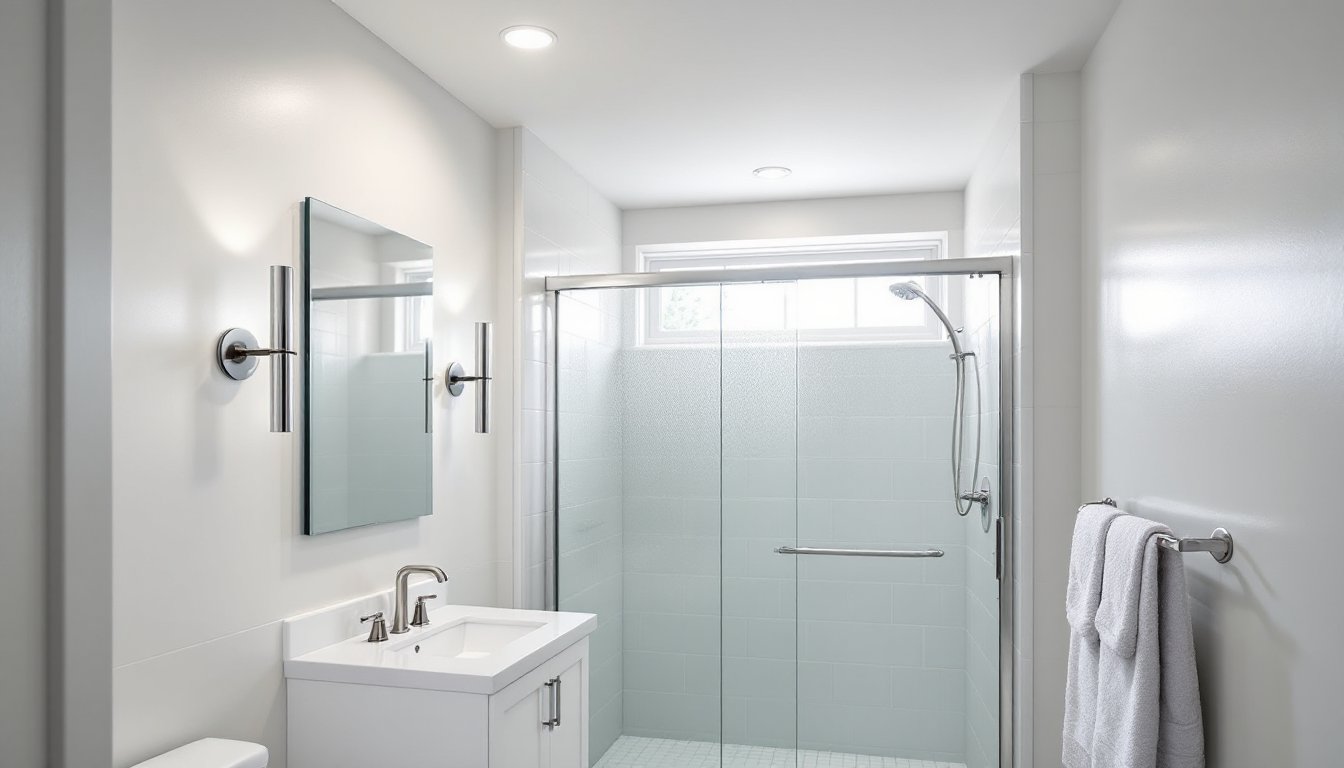
Task lighting at the vanity is non-negotiable. A single recessed light directly above the mirror creates shadows under the chin, nose, and eyes, terrible for shaving or applying makeup. The solution is to place recessed lights on either side of the mirror or in a symmetrical layout that brackets the vanity area.
For a single-sink vanity (24 to 36 inches wide), position one light 12 to 18 inches out from each side of the mirror’s center. If the vanity is centered on a wall, the lights should be roughly 30 to 40 inches apart. This cross-lighting reduces shadows and provides even illumination.
Double-sink vanities (60 to 72 inches wide) work best with four recessed lights: two per sink, spaced as above. Some DIYers add a fifth light centered over the mirror, but this can create glare if it’s too bright. If using a center light, consider a dimmer switch to balance the overall lighting level.
Recessed lights should never be the only source of vanity light. Vertical sconces flanking the mirror at eye level (roughly 60 to 65 inches off the floor) provide the best shadow-free illumination. Recessed lights then serve as general ambient lighting rather than task lighting.
Shower and Tub Zone Requirements
Showers and tubs need dedicated lighting, and code is strict here. Any fixture installed directly over or within 3 feet of a tub or shower must be wet-location rated (IP65 or higher) and installed on a GFCI-protected circuit.
For a shower stall (typically 32×32 or 36×36 inches), place one recessed light near the center of the ceiling. Avoid positioning it directly under the showerhead where water spray can hit the lens. A slight offset toward the shower door or curtain works better.
For a tub/shower combo, use one light near the showerhead end and, if the tub is longer than 5 feet, consider a second fixture near the middle. This prevents the far end from becoming a dark corner where mildew can grow unnoticed.
Shower-rated recessed housings have sealed lenses and gaskets that prevent steam infiltration. Standard recessed lights will fail prematurely in wet zones, so don’t skimp here. The housing and trim must both carry the wet-location rating, check the manufacturer’s specs, not just the store label.
Choosing the Right Number and Size of Recessed Lights
Lumens measure light output, and bathrooms need more of them than most other rooms. The general rule is 70 to 80 lumens per square foot for task-heavy spaces like bathrooms. A 40-square-foot bathroom (5×8 feet) needs roughly 2,800 to 3,200 lumens total.
Most LED recessed lights produce between 650 and 1,000 lumens per fixture. For a 40-square-foot bathroom, that translates to three to five fixtures depending on beam angle and trim type.
Can size matters. The two most common diameters are 4-inch and 6-inch. Four-inch fixtures work well in small bathrooms because they’re less visually intrusive and fit tighter joist spacing. Six-inch cans produce more light and a wider beam spread, but they can overwhelm a small ceiling.
For general ambient lighting, use 4-inch fixtures with a wide flood beam (100 to 120 degrees). For task lighting over the vanity or shower, a narrow flood (60 to 80 degrees) focuses light where it’s needed without spilling onto walls.
Color temperature affects how the space feels. Bathrooms look cleanest with 3000K to 4000K (bright white to cool white) LEDs. Warmer temps (2700K) can make tile and fixtures look dingy. Cooler temps (5000K+) feel clinical. Stick to the middle range for balanced, accurate color rendering.
If the bathroom has a low ceiling (under 8 feet), consider shallow or ultra-thin recessed housings that need only 2 to 4 inches of clearance. These work in ceilings with minimal joist depth or when running into ductwork and wiring.
Common Layout Mistakes to Avoid in Small Bathrooms
Overlighting is the number one mistake. Homeowners assume more fixtures equal better lighting, but six recessed lights in a 5×8 bathroom creates glare and harsh shadows. Stick to the lumen count for the square footage and use dimmers to adjust as needed.
Ignoring beam angle leads to hot spots and dark zones. A narrow spot beam (less than 40 degrees) puts all the light in a tight circle, leaving the perimeter dim. Use flood or wide flood beams to distribute light evenly.
Placing lights too close to walls causes scalloping, bright patches on the wall with dark gaps between them. Keep fixtures 18 to 24 inches from walls and space them evenly.
Skipping wet-location fixtures in shower zones is a code violation and a safety hazard. Water and electricity don’t mix. Always use IP65-rated housings and trims in wet zones, and install them on GFCI-protected circuits.
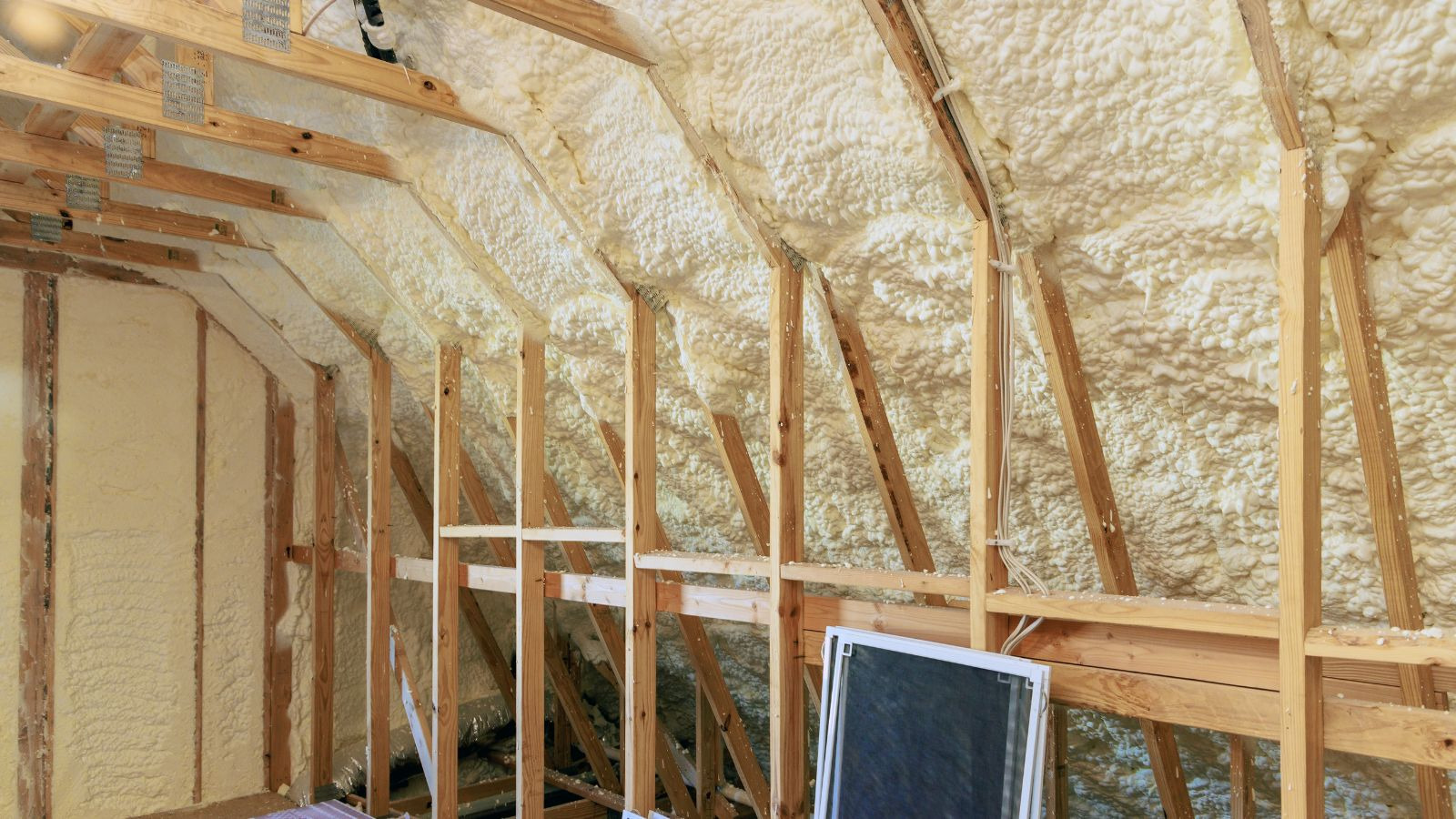
Forgetting about insulation contact creates a fire risk. If the bathroom is on the top floor with an attic above, insulation will cover the recessed housings. Use IC-rated (Insulation Contact) fixtures that are safe to bury. Non-IC fixtures can overheat and ignite insulation.
Not planning for dimmers limits flexibility. A bathroom needs bright task lighting in the morning and softer ambient light at night. Install dimmable LED fixtures and a compatible dimmer switch from the start, retrofitting later is more work and expense.
Finally, DIYers often underestimate the difficulty of retrofit installations. Cutting holes in drywall is easy. Fishing wire through walls and attics, connecting to existing circuits, and ensuring proper grounding requires electrical knowledge. If the home’s wiring is old (cloth-sheathed or knob-and-tube), hire a licensed electrician. Recessed lighting is a permit-required job in most areas, and inspections verify safe installation.