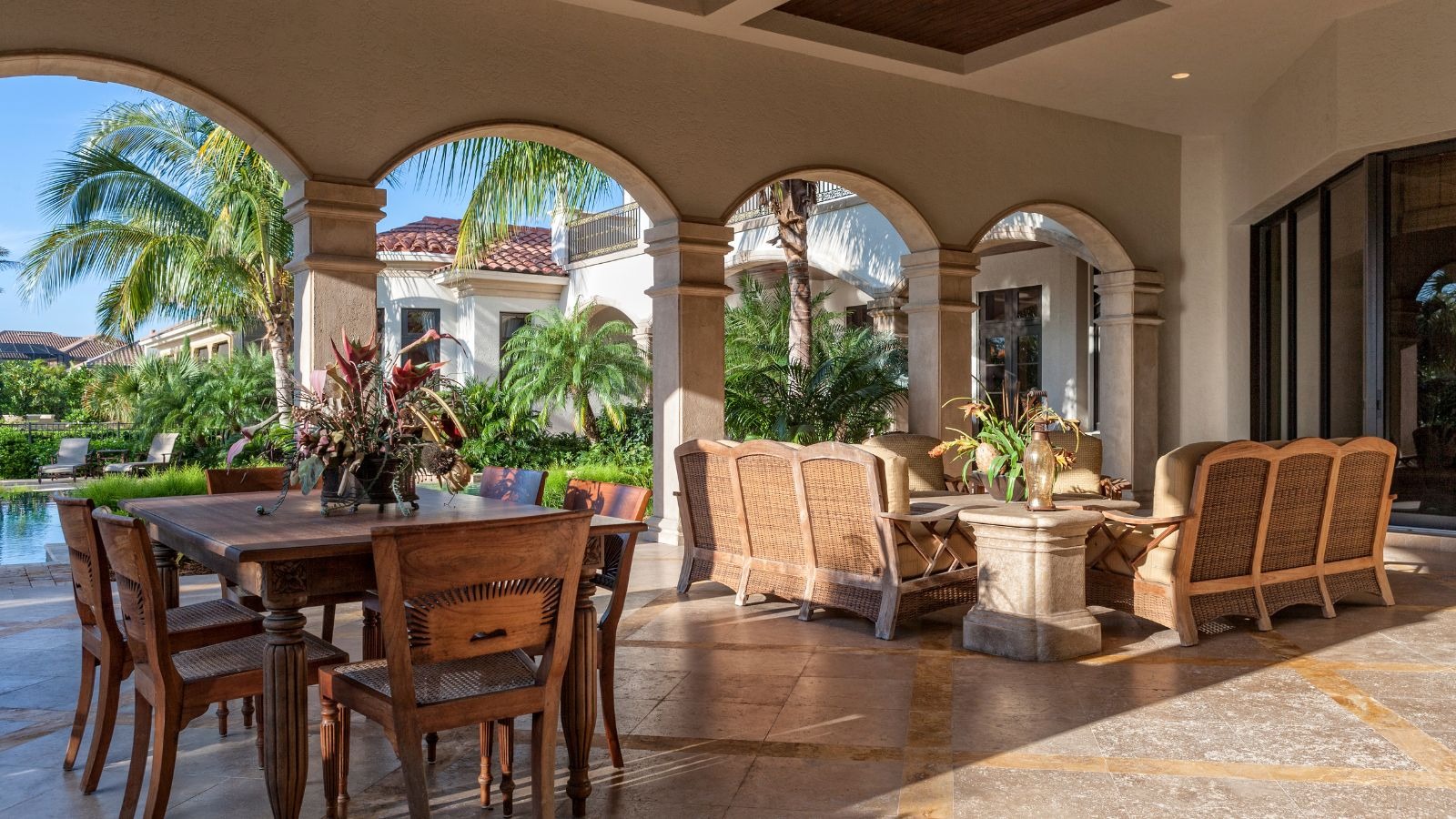
A lanai is one of those features that gets used for about six weeks a year and ignored the rest of the time. It looks great in listing photos, it is nice for a quiet coffee on a mild morning, but the moment humidity climbs or the afternoon storms roll in, that covered space stops being functional. Homeowners end up with a room-sized patio they paid for but rarely step into.
That is the exact problem custom lanai enclosures are designed to solve. Rather than leaving the space open to insects, pollen, humidity, and unpredictable weather, an enclosure turns it into a fully usable extension of the home. Glass panels or energy efficient windows replace open air, the existing roof structure stays in place, and the result is a space that can handle furniture, electronics, and everyday use no matter what the forecast looks like outside.
The appeal goes beyond comfort. A well-built enclosure adds genuine, weatherproofed living space to a home, which matters both for day-to-day life and for resale value down the line. Buyers respond to finished, move-in-ready spaces far more than they respond to an open patio they would need to invest in themselves after closing.
Design choices matter here as much as they do in any other part of the home. Some homeowners want walls of glass that keep the view and natural light front and center, essentially erasing the line between indoors and out. Others prefer a mix of solid walls and windows, either for privacy or to manage strong afternoon sun on certain sides of the house. Roofline, flooring, and ceiling height all get decided based on how the space will actually be used, whether that is a reading nook, a playroom, a home office, or a spot built for entertaining guests.
Construction quality is where the real difference shows up over time. Not every enclosure is built to hold up against sustained heat, heavy humidity, and seasonal storms. Framing strength, glazing quality, and how the new structure ties into the home’s existing roof all affect whether the space stays comfortable and dry for years or starts showing problems within a season or two. This is especially true in regions where extreme weather is a regular part of the year rather than an occasional event.
For homeowners weighing whether to enclose an existing lanai, the best starting point is usually a clear picture of how the space will be used most often. That answer shapes everything from layout to materials to whether the room eventually gets fully conditioned. Getting it right from the start tends to produce a far better long-term result than working backward from a finished look pulled from a photo online.
As more homeowners look for practical ways to add real living space without a full renovation, custom lanai enclosures continue to stand out as one of the most effective options available, turning an underused patio into a room that finally earns its place in the home.